










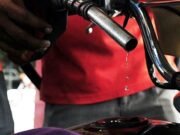












ISLAMABAD: The federal government has introduced a daily petroleum pricing mechanism, replacing the weekly review system, and simultaneously increased the prices of petrol and high-speed diesel (HSD) in response to rising international oil prices and renewed geopolitical tensions in the Middle East.
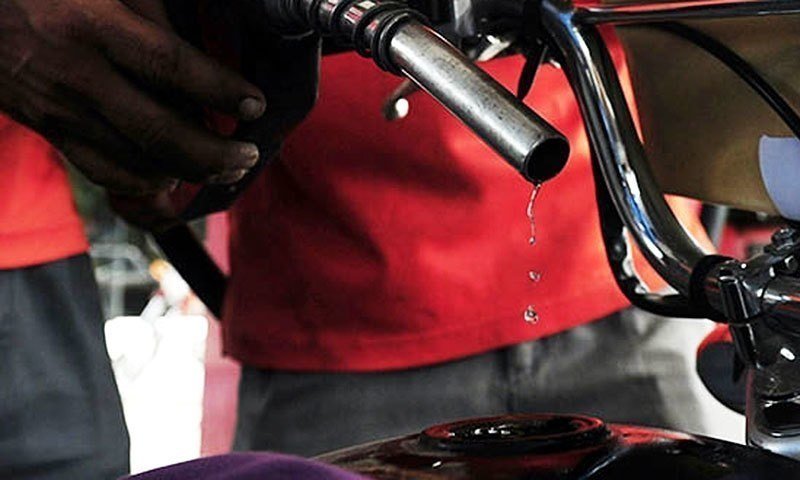
The Ministry of Energy (Petroleum Division) announced that the revised ex-depot prices took effect on July 18, 2026. Under the new rates, the price of petrol has been increased by Rs5.44 per litre, from Rs310.71 to Rs316.15, while High-Speed Diesel (HSD) has been raised by Rs31.05 per litre, from Rs323.30 to Rs354.35.
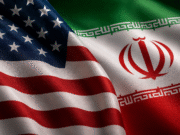
According to the Petroleum Division, the increase reflects higher import premiums and a surge in global oil prices following renewed hostilities between the United States and Iran, which have intensified concerns over potential disruptions to oil supplies through the Strait of Hormuz.
Daily pricing mechanism introduced
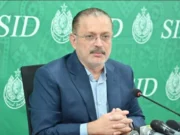
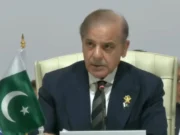
Speaking at a joint press conference with Information Minister Ataullah Tarar, Petroleum Minister Ali Pervaiz Malik said the decision to shift from weekly to daily fuel price revisions was approved by the federal cabinet in a meeting chaired by Prime Minister Shehbaz Sharif.
He said the move aims to ensure domestic fuel prices reflect international market trends more quickly while minimizing the risk of supply disruptions, speculative hoarding and financial exposure for the government.
Under the new mechanism, the Oil and Gas Regulatory Authority (OGRA) will determine petroleum prices on a daily basis using the average Platts benchmark over the previous seven working days.
Malik said OGRA has also been directed to publish the international Platts benchmark prices and a detailed breakdown of all components used to calculate retail fuel prices, enabling consumers to better understand how pump prices are determined.
He said the new system would automatically pass on both increases and decreases in international oil prices to consumers without requiring separate approval from the prime minister or the petroleum minister.
Global tensions driving prices higher
The petroleum minister said renewed tensions in the Middle East had once again pushed global fuel prices upward.
According to Malik, the Platts benchmark for diesel increased from around $110 per barrel to $140 per barrel, while the petrol benchmark rose from approximately $89 to nearly $100 per barrel within days.
He acknowledged that the latest increase would be difficult for consumers but described it as necessary to maintain uninterrupted fuel supplies and strengthen the country’s energy security.
The government maintained that it had previously passed on the benefit of declining international oil prices to consumers and rejected criticism that recent price increases were driven by higher taxation.
Petroleum levy remains in place
The government continues to impose petroleum and carbon-related levies on fuel products as part of its fiscal commitments.
Officials said the current petroleum levy stands at Rs80 per litre on petrol and Rs70.82 per litre on retail sales of HSD, in addition to a Rs5 per litre Carbon Support Levy (CSL).
Combined taxes, duties and margins—including customs duty, petroleum levy, climate support levy and Inland Freight Equalisation Margin (IFEM)—amount to roughly Rs105 per litre on both petrol and diesel.
The government said these charges remain within existing fiscal commitments and denied imposing any additional burden beyond previously announced policies.
Measures against hoarding
Officials said daily fuel pricing is also intended to discourage hoarding by dealers and oil marketing companies anticipating future price increases.
Prime Minister Shehbaz Sharif has directed the Federal Investigation Agency (FIA), Intelligence Bureau (IB) and other law enforcement agencies to take strict action against profiteering and illegal stockpiling in the petroleum sector.
Dealers reject new policy
The All Pakistan Petrol Pump Owners Association and the All Pakistan Dealers Association have rejected the government’s decision to implement daily fuel pricing.
Association Chairman Nauman Ali Butt said nearly 15,000 petrol pump owners had expressed serious concerns over the new mechanism, arguing that retailers were not consulted before the policy was introduced.
The association warned that the system could disrupt fuel transportation, supply chains and retail operations, and said it would consider launching nationwide protests and a strike next week if the government does not review its decision.
Fuel prices remain below April peaks
Despite the latest increase, current fuel prices remain significantly below the record highs witnessed earlier this year.
Diesel, which had climbed from around Rs281 per litre at the beginning of the regional conflict, peaked at Rs520.35 per litre on April 3 before declining to the current Rs354.35.
Similarly, petrol had risen from approximately Rs266 per litre in early March to a peak of Rs458.41 per litre on April 3 before easing to Rs316.15 per litre.
Petrol is primarily consumed by motorcycles, cars, rickshaws and small vehicles, making price changes particularly significant for middle- and lower-income households. HSD is widely used in the transport, agriculture and industrial sectors, meaning increases in diesel prices can have a broader impact on inflation and logistics costs across the economy.