







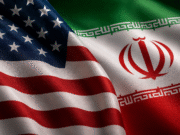






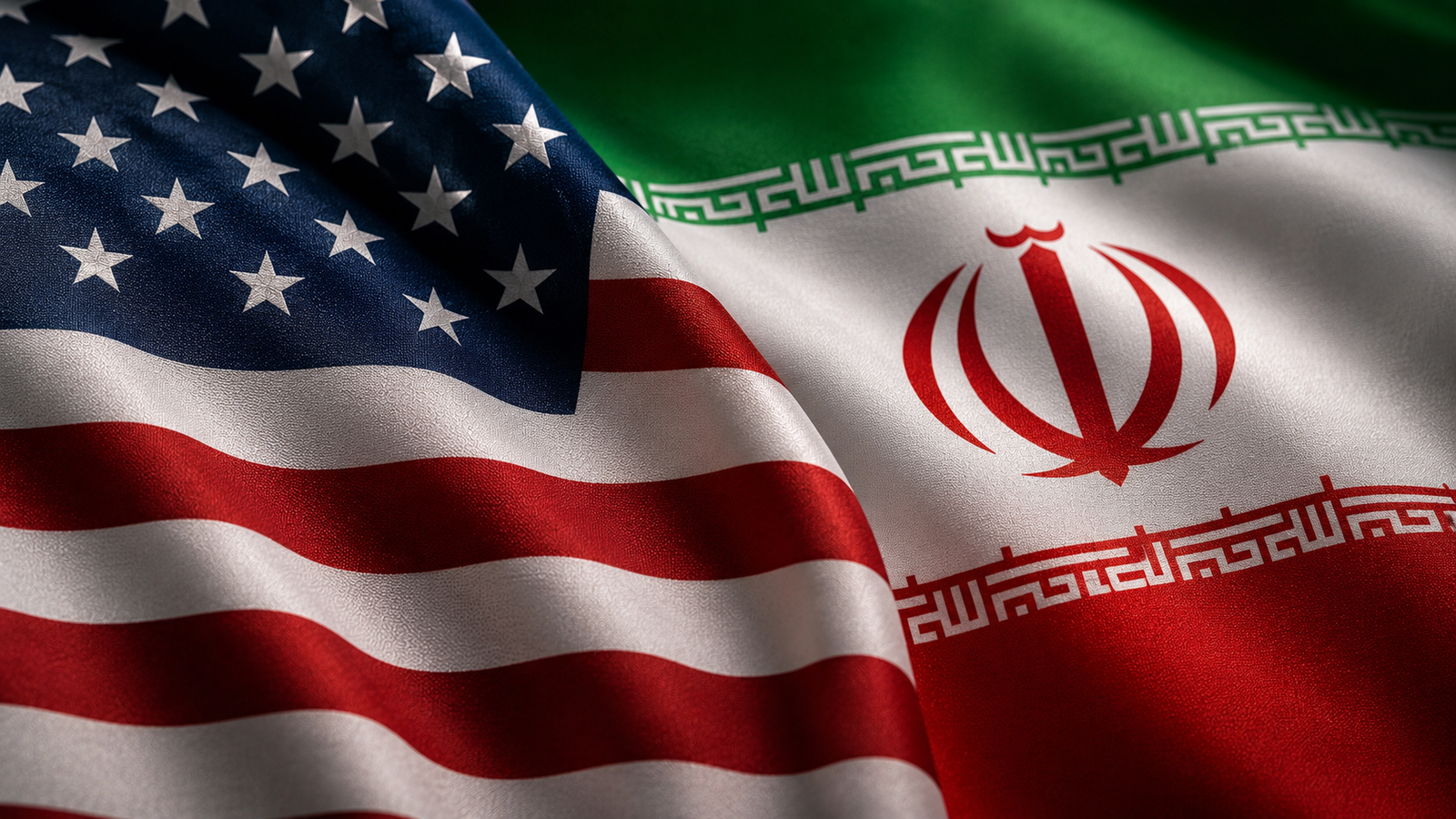
DOHA: Diplomatic efforts to stabilize the Middle East entered a critical phase this week as US and Iranian delegations arrived in Qatar, although both sides offered conflicting accounts over whether direct negotiations would take place.
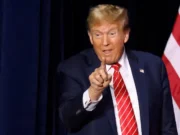
US President Donald Trump announced that fresh talks with Iran were expected in Doha, describing the meeting as potentially significant. However, Tehran swiftly rejected the claim, insisting that no negotiations with American officials had been scheduled.
Iranian Foreign Ministry spokesperson Esmaeil Baghaei said the country’s technical delegation would travel to Doha later this week for discussions related to implementing the recently signed memorandum of understanding, but stressed that the visit had “no relation” to the presence of the US delegation.
“We will not have any negotiation meetings at any level with the American side in the coming days,” Baghaei said.
Qatar also sought to clarify the situation. Foreign Ministry spokesperson Majed Al Ansari confirmed that US Special Envoy Steve Witkoff and presidential adviser Jared Kushner were in Doha, but said they were meeting Qatari officials and mediators rather than Iranian representatives. According to Al Ansari, discussions would focus on regional issues, including Iran and Lebanon.
The diplomatic uncertainty comes after Washington and Tehran agreed earlier this month to a 14-point memorandum of understanding aimed at halting four months of conflict, extending a previous ceasefire, addressing Iran’s nuclear program, and laying the groundwork for a permanent truce. The agreement also includes provisions on restoring maritime security in the Strait of Hormuz and easing certain US sanctions.
One of the most pressing issues remains the Strait of Hormuz, a strategic waterway that normally carries about one-fifth of global seaborne oil trade. Military exchanges in recent weeks disrupted shipping through the strait, sending oil prices above $100 per barrel and raising concerns over global energy supplies.
A senior Iranian official said discussions in Doha would focus on managing navigation through the Strait of Hormuz and reducing tensions rather than broader political negotiations. Another official said US and Iranian technical teams were expected to hold separate meetings with Qatari and Pakistani mediators later this week.
Washington and Tehran continue to accuse each other of violating elements of the interim agreement. The United States says Iran has targeted commercial vessels in the Gulf, prompting strikes on Iranian military facilities. Iran, meanwhile, says it retaliated by launching missiles and drones at US military installations in Kuwait and Bahrain.
Despite the recent exchanges, military activity has eased in recent days, offering cautious optimism that diplomatic channels may help prevent further escalation.
The release of frozen Iranian assets has also emerged as a key issue in the talks. Iranian President Masoud Pezeshkian said $6 billion of the roughly $12 billion in Iranian funds frozen in Qatar would be released, describing the development as an important achievement under the memorandum. Iranian officials said discussions with Qatari authorities on implementing the asset release would take place this week.
The negotiations are unfolding amid growing political debate in Washington. Members of Congress received a classified briefing from Secretary of State Marco Rubio and Special Envoy Steve Witkoff on Monday. While some Republican lawmakers described the briefing as constructive, Senate Democratic Leader Chuck Schumer criticized the administration, arguing it had failed to explain what strategic benefits the United States had secured while allowing Iran to retain influence over the Strait of Hormuz.
Regional tensions also continue to affect neighboring conflicts. Israel has remained outside the US-Iran diplomatic process, while efforts to secure a separate ceasefire between Israel and Lebanon remain uncertain. France and Oman have intensified diplomatic efforts to reduce tensions and restore safe navigation in the Gulf, although Iranian officials insist that responsibility for securing and clearing the Strait of Hormuz rests solely with Tehran.
As diplomatic contacts continue in Doha, uncertainty remains over whether indirect mediation can evolve into direct negotiations capable of transforming the fragile ceasefire into a lasting peace agreement.