
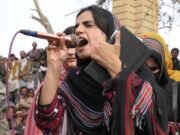
























QUETTA: An anti-terrorism court in Pakistan’s Balochistan province has sentenced prominent Baloch rights activist Dr. Mahrang Baloch and fellow Baloch Yakjehti Committee (BYC) member Sibghatullah Shah to life imprisonment after convicting them in connection with the killing of a Frontier Corps soldier during a protest in Gwadar in 2024.
The court found the two guilty of murder, terrorism-related offenses, and participation in an unlawful assembly, concluding that they shared responsibility for the death of Frontier Corps Sepoy Shabbir Ahmed during a BYC-led demonstration in the port city of Gwadar.
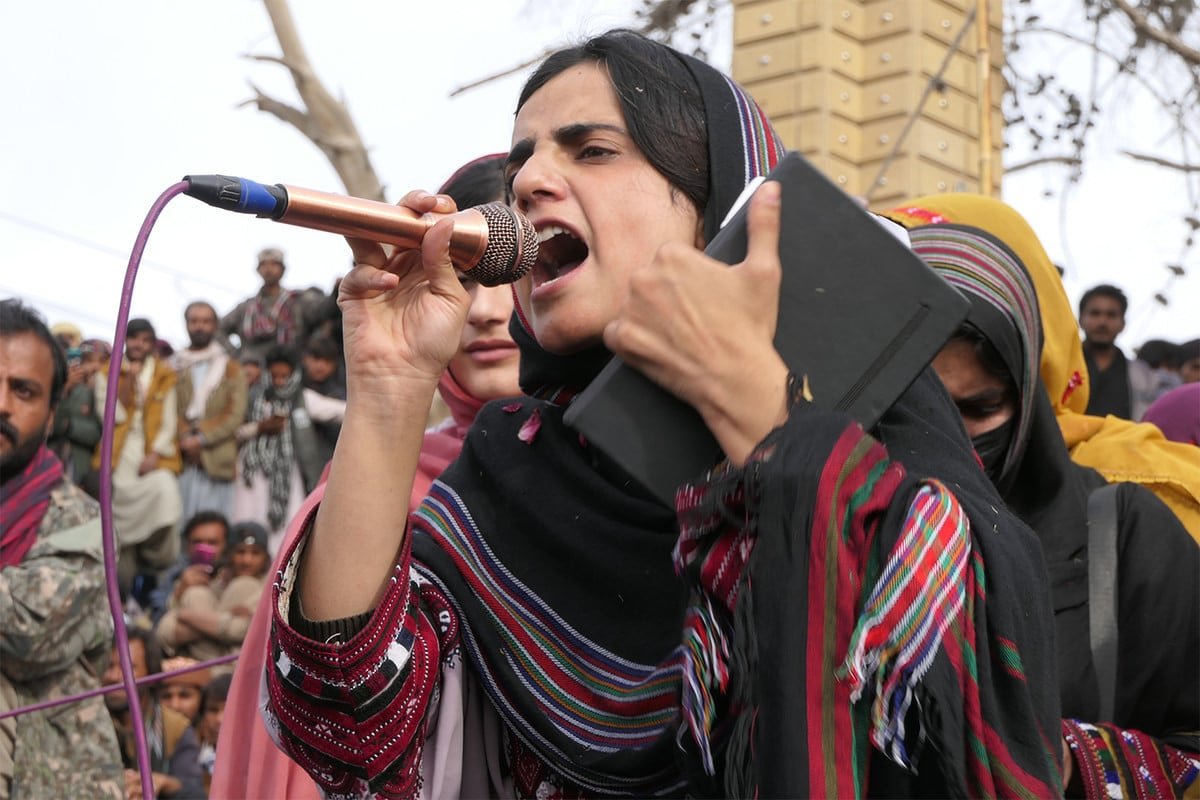
According to the prosecution, Dr. Mahrang Baloch delivered a speech that incited protesters to attack a security vehicle, after which members of the crowd allegedly assaulted the soldier, resulting in his death. Authorities said a police investigation concluded that both defendants played a direct role in mobilizing the protesters during the demonstration, which officials said had been organized without the required permission from local authorities.
The court sentenced both Dr. Mahrang Baloch and Sibghatullah Shah to life imprisonment and ordered each to pay Rs200,000 in compensation to the family of the deceased soldier.
The judgment stated that the accused repeatedly declined opportunities to participate in the proceedings and boycotted the trial. Court proceedings, which initially began in Gwadar, were later transferred to a high-security prison facility in Quetta because of security concerns. Prosecutors said the move was prompted by disruptions and demonstrations outside the court, with witnesses and suspects later appearing through video links.
Both defendants denied the allegations. Dr. Mahrang Baloch’s legal team and family have criticized the conduct of the trial, arguing that it lacked transparency and fairness. Her sister, Nadia Baloch, said the defense intends to challenge the verdict in higher courts, alleging that key aspects of the proceedings—including the handling of witnesses and the venue—were not sufficiently open.
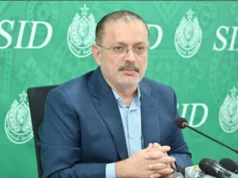
Provincial officials defended the prosecution, saying the case concerned the killing of a security official rather than political activism or peaceful dissent. They maintained that the conviction was based on substantial evidence presented before the court and emphasized that the defendants retain the right to appeal.
Dr. Mahrang Baloch, a trainee surgeon and head of the Baloch Yakjehti Committee, gained international recognition in 2024 after being included in lists highlighting influential and inspiring women. She was detained in March 2025 after leading a sit-in protest in Quetta and subsequently faced charges including terrorism, sedition, and murder.
The BYC describes itself as a peaceful movement advocating for the rights of ethnic Baloch people and has campaigned against alleged enforced disappearances, extrajudicial killings, and inequitable resource distribution in Balochistan. Pakistani authorities have denied such allegations and have repeatedly asserted that the organization has links to the banned Baloch Liberation Army, a claim the BYC rejects.
The case unfolds against the backdrop of a decades-long insurgency in Balochistan, where separatist militants have carried out attacks on security forces and civilians while demanding greater autonomy or independence. The region has also experienced recurring disputes over governance, security, and the management of its natural resources.
The life sentences mark one of the most consequential legal actions taken against leaders of the Baloch Yakjehti Committee, with the outcome of expected appeals likely to draw continued attention from observers in Pakistan and abroad.