








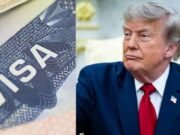








The regulation replaces the previous system with fixed admission periods for holders of F, J, and I nonimmigrant visas. According to DHS, the measure is intended to strengthen immigration oversight, reduce visa fraud, and enhance national security through regular government screening and monitoring.
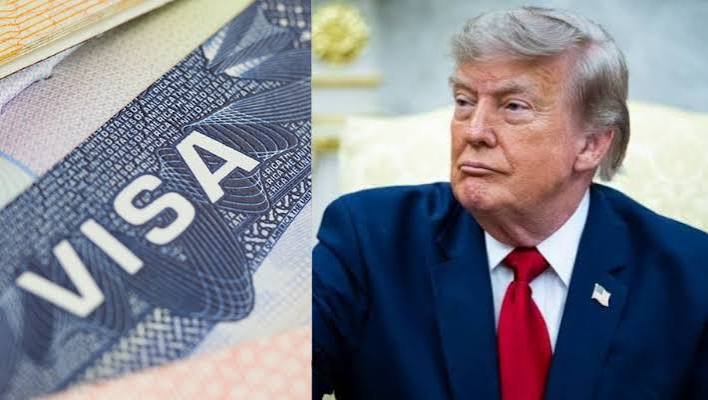
Washington, D.C.: In one of the most significant immigration policy changes introduced under President Donald Trump’s administration, the U.S. Department of Homeland Security (DHS) has announced a new regulation ending the long-standing “duration of status” policy for foreign students, exchange visitors, and foreign media representatives. The new rule is expected to affect hundreds of thousands of individuals studying, reporting, and participating in exchange programs across the United States.
Under the new policy, students holding F visas and exchange visitors with J visas will be admitted only for the duration of their approved academic or exchange program, with a maximum stay of four years. Individuals who require additional time to complete their studies or programs will be required to apply directly to U.S. Citizenship and Immigration Services (USCIS) for an Extension of Stay (EOS). The application process will include biometric screening, background checks, and fraud prevention reviews.
The regulation also reduces the post-completion grace period for F-1 students from 60 days to 30 days. During this period, graduates must either depart the United States, transfer to another educational institution, or change their immigration status.
In addition, the new rule introduces tighter restrictions on changing academic programs, although DHS has not yet released detailed guidance on those provisions.
Announcing the policy, DHS Secretary Markwayne Mullin said the previous system, which had been in place since 1978, allowed some foreign nationals to remain in the United States indefinitely by repeatedly enrolling in academic programs without sufficient federal oversight. He said the new rule is intended to restore integrity to the immigration system by establishing clear time limits and strengthening federal monitoring.
The regulation is expected to be published in the Federal Register within the next few days and will take effect 60 days after publication.
According to DHS, foreign students, exchange visitors, and media representatives already in the United States under the existing “duration of status” system will automatically transition to the new framework. Their authorized stay will be limited to a maximum of four years from the rule’s effective date unless they obtain an approved extension from USCIS.
The Student and Exchange Visitor Program (SEVP), administered by U.S. Immigration and Customs Enforcement (ICE), will continue to oversee certified educational institutions and monitor international students through the Student and Exchange Visitor Information System (SEVIS), while the authority to approve extensions of stay will rest with USCIS.
The decision marks a major shift in U.S. immigration policy and is expected to have far-reaching implications for international students, foreign journalists working under I visas, researchers, scholars, and thousands of other exchange visitors who come to the United States each year under educational and cultural exchange programs.