Caracas, Venezuela – June 27, 2026
Venezuela is facing one of the worst natural disasters in its modern history after two powerful earthquakes struck the country on Wednesday evening, leaving widespread destruction across several regions. The twin earthquakes, measuring 7.2 and 7.5 in magnitude, hit approximately 160 kilometers west of Caracas during a public holiday, catching millions of people off guard.
According to the latest official update released on Friday, the death toll has risen to 920, up from the earlier figure of 589. Authorities have also confirmed 2,980 people injured, while tens of thousands remain displaced as rescue teams continue searching through collapsed buildings.
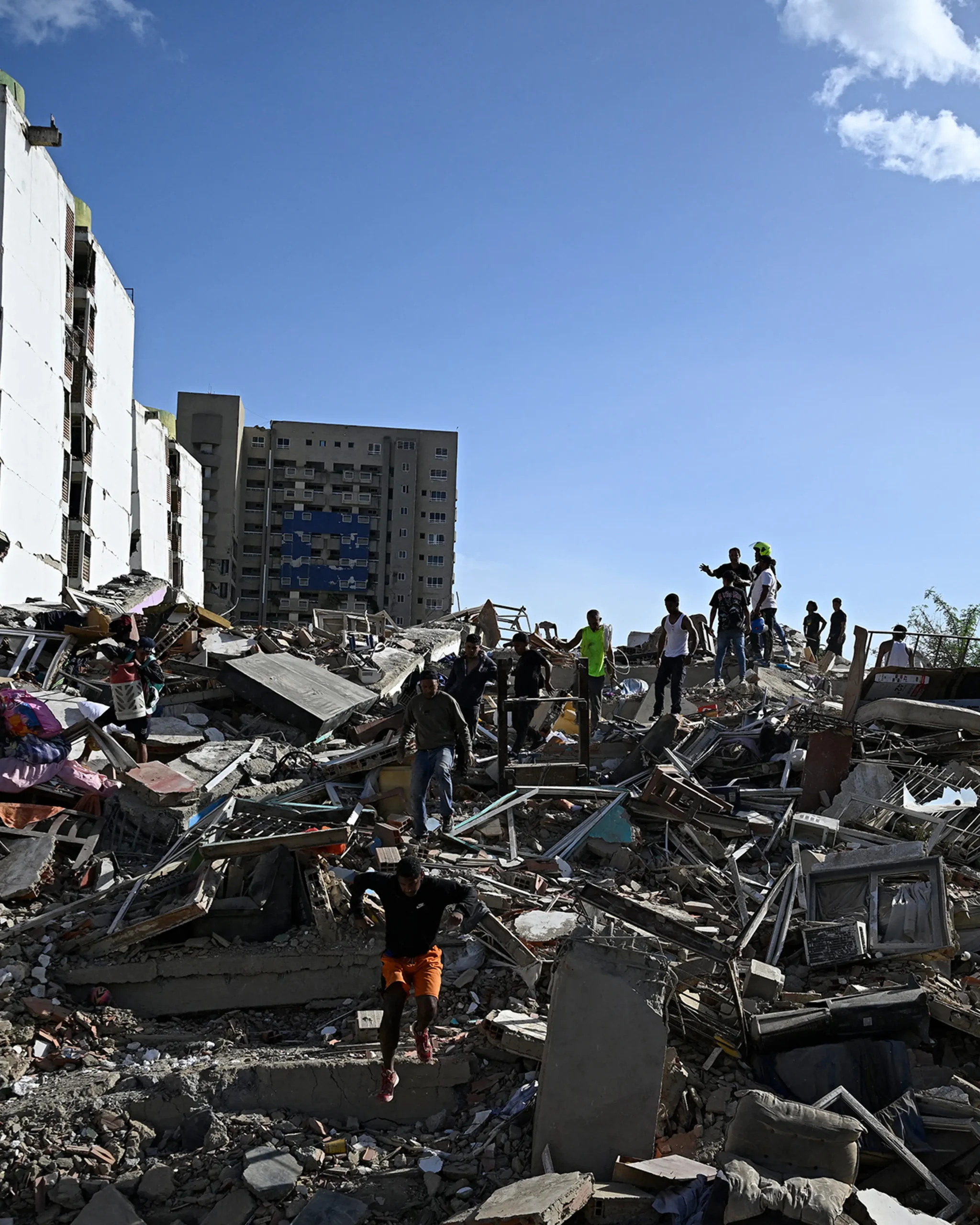
National Assembly President Jorge Rodríguez announced that additional military units have been deployed to the heavily affected coastal state of La Guaira, where entire apartment blocks and commercial buildings were reduced to rubble. The city remains one of the worst-hit areas, with more than 100 buildings reported destroyed.
The United Nations estimates that over 50,000 people are still missing, raising fears that the number of casualties could continue to increase. Emergency workers, volunteers, and local residents are working around the clock to search for survivors, with many families using their bare hands to remove debris while waiting for heavy rescue equipment to arrive.
The disaster has prompted an international humanitarian response. Rescue teams from Mexico, Spain, El Salvador, Colombia, Switzerland, Germany, Ecuador, and the Dominican Republic have arrived in Venezuela with specialized equipment, trained search dogs, and medical supplies. The United States has also announced $150 million in emergency assistance and temporarily eased sanctions to allow humanitarian aid to enter the country.
Interim President Delcy Rodríguez thanked the international community for its support and pledged that relief efforts would continue until every affected community receives assistance. Foreign rescue teams have been assigned to different regions to accelerate search and recovery operations.
Beyond official rescue efforts, thousands of Venezuelans have joined volunteer missions by delivering food, drinking water, blankets, and medical supplies to survivors. Motorcycle caravans carrying emergency aid traveled overnight from Caracas and other cities to reach isolated communities.
Residents continue to describe heartbreaking scenes. Many families have lost their homes, businesses, and loved ones, while others remain trapped beneath collapsed structures. Power outages and water shortages have further complicated rescue operations, particularly near the earthquake’s epicenter in Morón, where damaged infrastructure has left entire neighborhoods without basic services.
Despite the widespread destruction, officials from Venezuela’s oil industry have reported that major energy facilities have escaped significant damage, helping prevent further disruption to the country’s economy.
The United Nations warns that nearly seven million people could be affected by the disaster, making this one of the largest humanitarian emergencies in Latin America in recent years. Rescue operations remain ongoing as authorities continue to search for survivors and provide emergency shelter to thousands left homeless.
Officials have urged residents to remain alert for aftershocks while international aid continues to arrive. The number of casualties is expected to change as search teams reach more collapsed buildings across the affected regions.