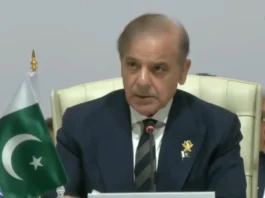
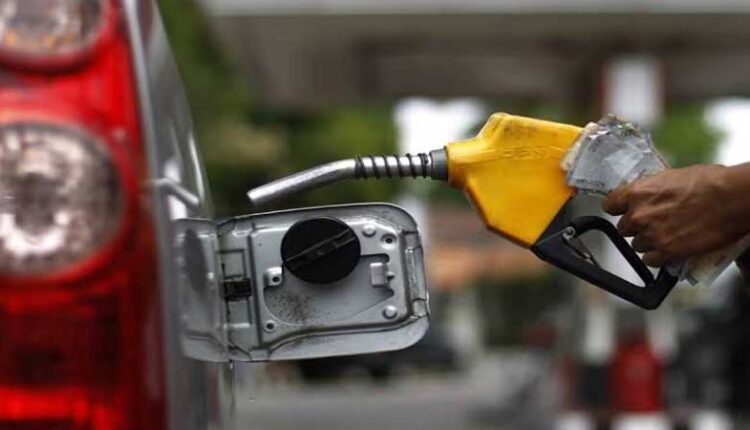
ISLAMABAD: Just a week after consumers got a brief break at the pump, the federal government has sharply raised petroleum prices, citing a renewed surge in international crude oil prices driven by escalating tensions between Iran and the United States.
Effective Saturday, July 11, petrol has been increased by Rs13.18 per litre — from Rs297.53 to Rs310.71 — while high-speed diesel (HSD) has gone up by Rs13.80 per litre, from Rs309.50 to Rs323.30. The hike comes just a week after the government had trimmed prices by up to Rs1.97 per litre for a one-week window.
What’s Driving the Increase
The trigger was a fresh spike in global oil prices following renewed US strikes on Iran and a breach of ceasefire agreements on July 7-8. Brent crude climbed to around $77-78 per barrel, while US West Texas Intermediate (WTI) traded at $73.60 per barrel. The government said it was passing on the higher import cost to domestic consumers.
Levy and Tax Breakdown
Alongside the price hike, the government raised the petroleum levy on petrol:
- Retail outlets: from Rs70.36 to Rs80 per litre
- Direct sales: from Rs79 to Rs88.64 per litre
- Premium HOBC/MS (95 RON): from Rs95.36 to Rs105 per litre (retail) and Rs97.51 to Rs107.15 (direct sales)
The petroleum levy on kerosene oil remains unchanged at Rs20.36 per litre, light diesel oil (LDO) continues to attract a levy of Rs15.84 per litre, and furnace oil stays at Rs77 per litre (Rs82,077 per metric tonne).
Taken together, total taxes now amount to roughly Rs95 per litre on petrol (including Rs20 customs duty) and about Rs101 per litre on diesel (including Rs16 customs duty), on top of the petroleum levy, climate support levy, and inland freight equalisation margin.
This follows an IMF-linked change effective July 1, under which the government doubled the climate support levy to Rs5 per litre while correspondingly adjusting the petroleum levy.
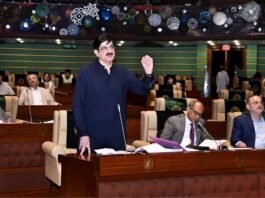
General sales tax (GST) on petroleum products remains at zero — a point of friction with the provinces, since GST revenue is shared with them while the petroleum levy is retained entirely by the federal government. Sindh has raised this issue directly with Islamabad.
Compared to the April Peak
Despite the latest increase, both fuels remain well below their April highs. Diesel had peaked at Rs520.35 per litre on April 3, while petrol peaked at Rs458.41 the same day — both driven by a price surge that began in early March following the outbreak of the US-Iran war on February 28.
Who’s Affected
- Petrol is mainly used by motorcycles, small vehicles, rickshaws, and passenger cars — making it a direct cost for middle and lower-middle-income households. Demand has also risen following restrictions on the use of domestic gas in Punjab, pushing more consumers toward petrol-based alternatives.
- High-speed diesel is the backbone of the transport and agriculture sectors, and price changes here ripple through freight charges, food prices, and broader inflation. It’s also used in power generation.
- Kerosene oil, though a much smaller share of the market, remains essential in remote northern areas without access to LPG, and is also a key fuel for the Pakistan Army.
- Light diesel oil is primarily used by industry.
Market Trends
Petrol and HSD remain the biggest revenue earners for the government, with combined monthly sales of roughly 700,000 to 800,000 tonnes — dwarfing kerosene’s monthly demand of about 10,000 tonnes.
Separately, Pakistan’s oil industry saw sales drop by as much as 20% in June, which industry representatives largely attributed to a rise in the smuggling of petroleum products from Iran.