























ISLAMABAD / KABUL — Oct 29:
Talks aimed at securing a long-term truce between Pakistan and Afghanistan ended without progress on Wednesday, as Islamabad accused the Taliban-led government in Kabul of failing to curb cross-border militancy, raising fears of renewed hostilities along the tense frontier.
Pakistan’s Information Minister Attaullah Tarar confirmed that four days of negotiations in Istanbul, mediated by Turkiye and Qatar, had “failed to bring about any workable solution.” The talks followed a Doha-brokered ceasefire on October 19, agreed after the deadliest border fighting between the two neighbours since the Taliban’s return to power in 2021.
“The Afghan side kept deviating from the core issue, evading the key point upon which the dialogue process was initiated,” Tarar said in a statement early on Wednesday.
“Instead of accepting any responsibility, the Afghan Taliban resorted to blame game, deflection and ruses. The dialogue thus failed to bring about any workable solution.”
Pakistani officials said the main sticking point was Kabul’s reluctance to take action against the banned Tehreek-i-Taliban Pakistan (TTP) — a group distinct from Afghanistan’s ruling Taliban but ideologically aligned with it — which Islamabad says operates freely inside Afghan territory.
A Pakistani security source told Reuters that “the Taliban were unwilling to commit to reining in the TTP,” despite Pakistan providing “irrefutable evidence” of cross-border attacks. Afghan officials, however, maintained that they had “no control” over the Pakistani Taliban, and accused Islamabad of violating Afghan sovereignty through recent airstrikes.
According to Afghan media, the Taliban delegation blamed Pakistan for the collapse of the talks, saying it had shown “no genuine intention” for peace. Both Afghanistan’s foreign and defence ministries did not respond to requests for comment.
Warnings and Rising Rhetoric
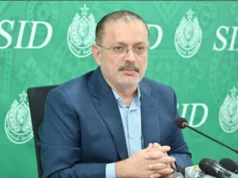
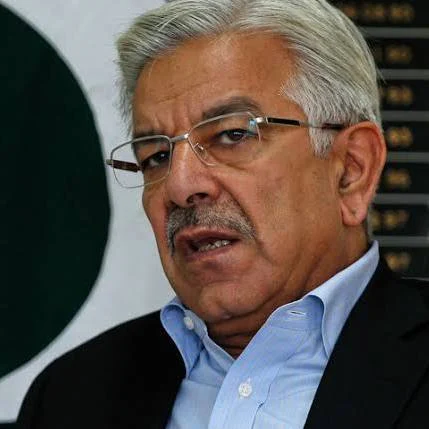
Pakistan’s Defence Minister Khawaja Asif issued some of the strongest language yet from Islamabad, warning that any future attacks from Afghan soil would trigger deep retaliatory strikes.
“If their territory is used and they violate our territory, then, if we need to go deep into Afghanistan to retaliate, we surely will,” Asif said on Wednesday.
In a separate post on X (formerly Twitter), he added: “Pakistan does not require even a fraction of its full arsenal to completely obliterate the Taliban regime and push them back to the caves for hiding.”
Asif alleged that the Taliban leadership in Kabul was “acting as a proxy for India” and repeatedly blocked draft agreements during the Istanbul talks. Afghan negotiators, he claimed, backtracked “three or four times” after consulting superiors in Kabul.
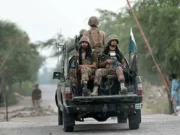
Despite the breakdown, the ceasefire reached earlier this month remains technically in place, though sporadic fighting continues. Pakistan’s military reported that five soldiers and 25 militants were killed over the weekend near the border, identifying the assailants as members of “Fitna al-Khawarij,” a term it uses for extremist groups it says are backed by foreign intelligence.
Background
The latest clashes began after Pakistani airstrikes earlier this month targeted alleged TTP hideouts in Afghanistan, including in Kabul, Khost, and Paktika provinces. The Taliban responded with attacks on Pakistani border posts across the 2,600-kilometre (1,600-mile) frontier, leading to dozens of deaths on both sides.
The United Nations has expressed concern over the failure of the Istanbul talks, urging both countries to avoid further escalation. Mediators from Turkiye and Qatar are reportedly attempting a last-ditch diplomatic effort to bring Islamabad and Kabul back to the table.
Regional analysts warn that the collapse of dialogue risks plunging the two neighbours into renewed conflict, undermining efforts to stabilise the broader South-Central Asian region already threatened by the resurgence of armed groups.